Steering
Steering concerns can come from worn joints, hydraulic leaks, electrical assistance faults or tires. The goal is to identify the source of play, stiffness or noise and restore predictable control.
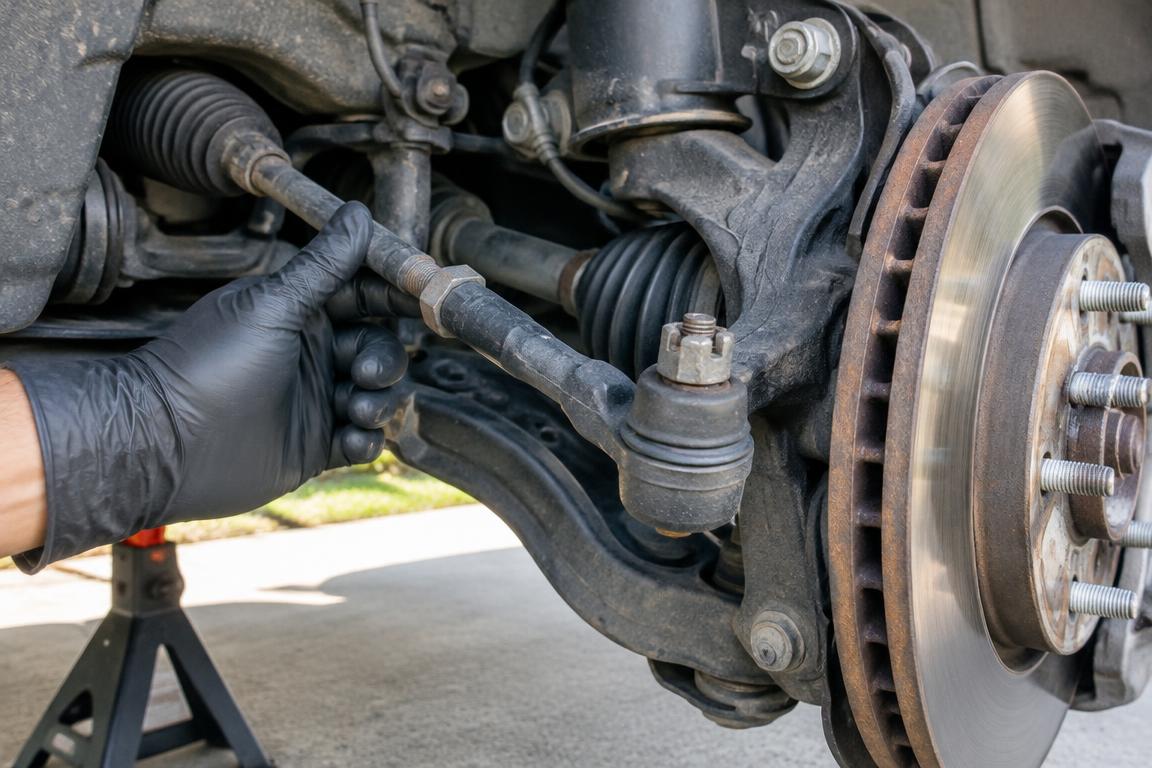
When to consider this service
- Loose steering or wandering
- Heavy steering or noise while turning
- Fluid leaks or a steering-assist warning
What the work covers
Inspection of accessible steering linkage, boots and joints; hydraulic fluid and leak checks where applicable; electronic fault checks for electric power steering when relevant.
The procedure, step by step
A customer overview—not a do-it-yourself repair guide. Exact tests, parts and procedures follow your vehicle's manufacturer information and the approved repair scope.
- 01
Check steering response
We review the symptom and inspect tires and steering components for wear, leaks, damaged boots or excessive play.
- 02
Trace the steering fault
We evaluate the linkage and assistance system. Hydraulic and electric power steering need different tests, so the procedure follows your vehicle's design.
- 03
Perform the agreed repair
Approved tie rods, hoses or other confirmed faulty components are serviced using manufacturer procedures. Some rack or electric-assist repairs need specialized equipment or programming.
- 04
Recheck control and alignment needs
We verify movement, assistance and leak-free operation where applicable. Repairs that change steering geometry require alignment; certain vehicles also need steering-angle calibration.
After the repair
Arrange any required alignment or calibration and report continuing pulling, stiffness or fluid loss. Only the specified fluid belongs in a hydraulic steering system.
Safety & service limits
Sudden loss of steering control or excessive looseness calls for stopping safely and arranging assistance—not driving to test the problem yourself.
Discuss your steering
Share your year, make, model and symptoms. Parts, labor and any travel or other charges are confirmed in your estimate before approved work begins.