Brakes
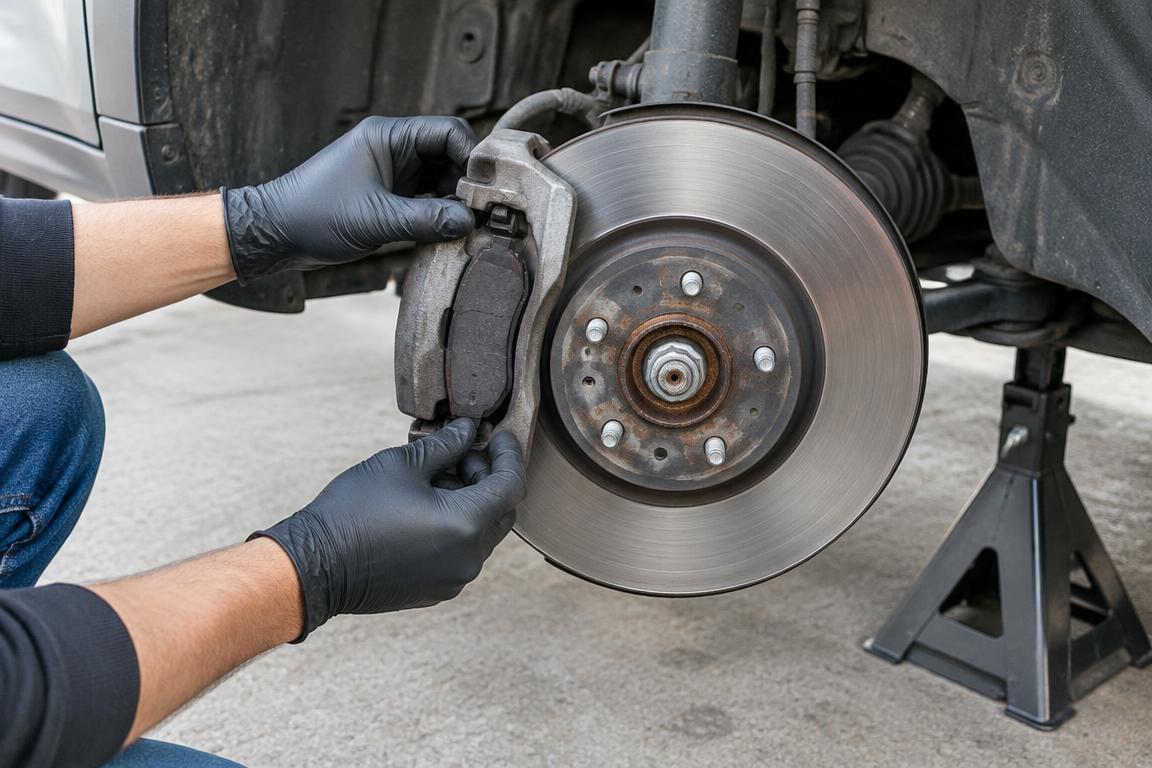
Brake service starts with understanding why the vehicle is noisy, vibrating or not stopping normally. Pads, rotors, calipers and hydraulic components work together, so replacing one worn part is only part of the picture.
When to consider this service
- Squealing, grinding or vibration when braking
- A soft pedal or longer stopping distance
- Pulling during braking or a brake warning light
What the work covers
Inspection of pad wear, rotor condition, caliper movement, hoses and fluid. Pad, rotor, caliper or fluid work is quoted according to what the vehicle needs—not automatically bundled together.
The procedure, step by step
A customer overview—not a do-it-yourself repair guide. Exact tests, parts and procedures follow your vehicle's manufacturer information and the approved repair scope.
- 01
Inspect the braking system
With the vehicle secured and properly supported, we inspect the brakes and measure wear against manufacturer limits, looking for leaks, uneven wear and sticking components.
- 02
Confirm the repair scope
We explain which components need attention and why. Rotor replacement, caliper repairs and hydraulic work depend on inspection results and your approved estimate.
- 03
Service the approved components
We fit compatible parts, service specified contact points and hardware, and tighten fasteners to vehicle-specific specifications. Hydraulic work includes the correct fluid and bleeding procedure when required.
- 04
Check stopping performance
We confirm pedal feel, check for leaks and verify braking in controlled conditions when safe. We explain any bedding-in procedure specified by the installed pad and rotor manufacturer.
After the repair
Follow the supplied bedding-in instructions and report new noise, vibration or pedal changes. Avoid assuming every new brake pad uses the same break-in process.
Safety & service limits
Do not drive with a sinking pedal, significant fluid leak or severe loss of braking. Arrange safe transport; a driveway repair depends on safe access and working conditions.
Discuss your brakes
Share your year, make, model and symptoms. Parts, labor and any travel or other charges are confirmed in your estimate before approved work begins.